
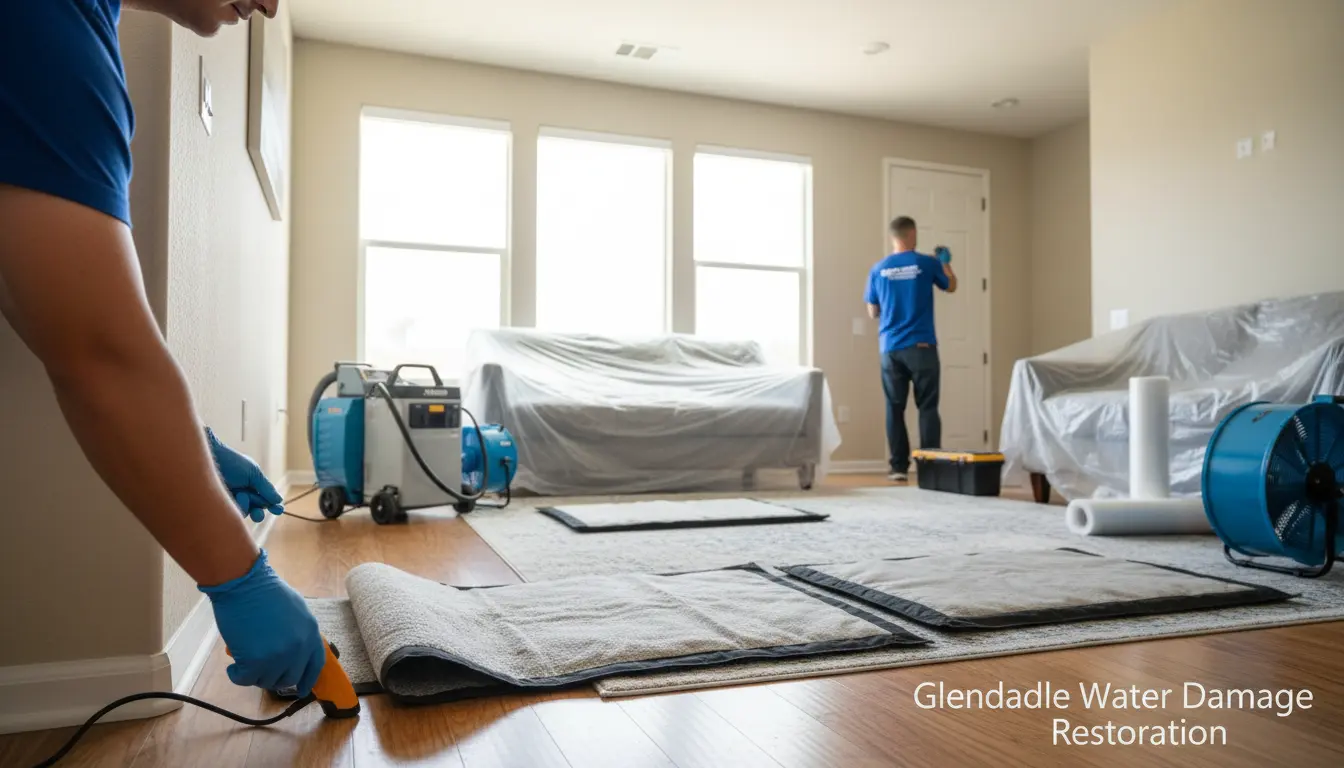
Imagine waking up to the sound of dripping water in your Glendale home, only to discover a burst pipe flooding your living room. In the arid climate of Arizona, water damage might seem unlikely, but when it strikes—whether from monsoon storms, leaky roofs, or plumbing failures—it can wreak havoc quickly. As a resident of Glendale, AZ, you know how precious every moment is in this vibrant community. That’s why Glendale Water Damage Restoration is here to guide you through the restoration process, ensuring your property is back to normal fast.
In this comprehensive guide, we’ll walk you through everything from spotting early signs to full recovery. Whether you’re in the bustling neighborhoods of Maryvale or the serene Arrowhead Ranch, understanding water damage restoration can save you time, money, and stress. Let’s dive in.
Understanding Water Damage: Causes and Categories
Water damage isn’t just about wet carpets—it’s a complex issue that can compromise your home’s structure and health. In Glendale, where summer storms can dump inches of rain in hours, knowing the sources is crucial.
Common Causes in Glendale Homes
Glendale’s desert environment means water damage often stems from sudden events rather than chronic leaks. Here are the top culprits:
- Plumbing Failures: Aging pipes in older homes around Thunderbird can burst, especially during heatwaves when water pressure spikes.
- Storm and Flooding: Monsoons bring flash floods to low-lying areas like Bellair, overwhelming drainage systems.
- Appliance Malfunctions: Washing machines or water heaters in Catlin Court homes can leak undetected for days.
- Roof Leaks: Heavy rains expose weak spots in roofs, common after Arizona’s intense sun bakes shingles.
Categories of Water Damage
Water damage is classified into three categories by the Institute of Inspection Cleaning and Restoration Certification (IICRC):
- Category 1 (Clean Water): From a supply line break—least harmful but still needs prompt attention.
- Category 2 (Gray Water): Contaminated from sources like dishwashers; can cause illness if ignored.
- Category 3 (Black Water): Sewage or floodwater—highly dangerous, requiring professional mold remediation services to prevent health risks.
Early identification prevents escalation. If you suspect damage, shut off the water main immediately—a practical tip that could save thousands.
Immediate Steps: What to Do When Water Damage Occurs
Time is your enemy in water damage scenarios. Acting within the first 24-48 hours minimizes mold growth and structural issues. Here’s your action plan for Glendale residents:
Step 1: Ensure Safety First
Before anything, prioritize safety. Turn off electricity at the breaker if water is near outlets—Glendale’s older homes in Maryvale often have outdated wiring. Evacuate if sewage is involved, and call 911 for gas leaks.
Step 2: Stop the Source
Locate and halt the water flow. For plumbing issues, use your home’s shut-off valve. In storm-related flooding, sandbags can help in areas like Arrowhead Ranch.
Step 3: Document the Damage
Take photos and videos for insurance claims. Note the time and extent—insurers in Arizona require detailed records.
Step 4: Contact Professionals
Don’t DIY major incidents. Reach out to Glendale Water Damage Restoration for 24/7 emergency response. Our team arrives equipped for basement flood restoration, a common need in Glendale’s split-level homes.
Practical tip: Remove small items like rugs from wet areas to dry them separately, but avoid lifting heavy furniture without help to prevent injury.
The Water Damage Restoration Process: Step-by-Step
Professional restoration follows a structured process to ensure thorough recovery. At Glendale Water Damage Restoration, we adhere to IICRC standards, tailored to Glendale’s unique climate.
Assessment and Water Extraction
Our experts inspect the damage using moisture meters and thermal imaging. We then extract standing water with powerful pumps—essential in humid post-storm conditions.
Drying and Dehumidification
Next comes structural drying, where industrial fans and dehumidifiers remove moisture from walls, floors, and ceilings. In Glendale’s dry air, this phase can take 3-5 days, but we monitor closely to avoid over-drying.
Cleaning and Sanitizing
Surfaces are cleaned with antimicrobial agents to kill bacteria. For carpets, our carpet drying and cleaning services restore them safely.
Restoration and Repairs
Finally, we handle rebuilds like wall and ceiling repair. From patching drywall in Thunderbird homes to repainting, we make it look new.
Actionable advice: During drying, keep doors open for airflow, but cover food to prevent contamination.
Preventing Water Damage in Your Glendale Home
Prevention is better than cure, especially in Arizona’s variable weather. Here are tailored tips for Glendale:
Regular Maintenance Checks
Inspect roofs biannually—post-monsoon is ideal. Check appliances for leaks and service your HVAC to avoid condensation issues in cooler months.
Landscaping and Drainage
In flood-prone Bellair, ensure gutters direct water away from foundations. Install French drains if your yard slopes poorly.
Smart Home Tech
Invest in water leak detectors connected to your phone. They’re lifesavers for remote workers in Arrowhead Ranch.
Insurance Review
Update your policy to cover flood damage—standard homeowner’s doesn’t always include it in Glendale.
By implementing these, you reduce risks significantly. For example, clearing debris from storm drains in Catlin Court can prevent backyard flooding.
Health and Safety Concerns After Water Damage
Water damage isn’t just structural—it’s a health hazard. Mold thrives in Arizona’s warmth, growing within 24 hours.
Mold and Allergens
Black mold releases spores causing respiratory issues. Our mold remediation targets this early.
Structural Weakness
Wet wood warps, leading to collapses. Always test floors before walking.
Tip: Wear gloves and masks during cleanup, and ventilate well. If symptoms like coughing persist, see a doctor.
FAQ: Common Questions About Water Damage Restoration in Glendale
How Quickly Should I Call for Water Damage Help?
Immediately! The first hour is critical—mold starts in 24 hours. Glendale Water Damage Restoration offers rapid response.
Does Homeowners Insurance Cover Water Damage in AZ?
Yes, for sudden events like bursts, but not neglect. Review your policy; we assist with claims.
Can I Dry My Home Myself?
Minor spills, yes—but for extensive damage, pros ensure complete drying to prevent recurrence.
How Long Does Restoration Take?
Typically 5-7 days, depending on severity. Basements take longer due to concrete absorption.
Is Mold Always a Problem After Water Damage?
Not always, but in humid spots, yes. We inspect for hidden growth.
Conclusion: Protect Your Glendale Home Today
Water damage can disrupt life in Glendale, but with knowledge and quick action, recovery is straightforward. From understanding causes to following restoration steps, you’re now equipped to handle it. Remember, prevention through maintenance keeps disasters at bay.
Don’t wait for the next storm—contact Glendale Water Damage Restoration for a free assessment. Serving all of Glendale, from Maryvale to Thunderbird, we’re your trusted partner in restoration. Call us at (623) 123-4567 or visit our site to schedule service. Your home deserves the best protection—let’s make it happen!